

Cherry blossom road trip in South Korea: A 7-day itinerary from Busan to Seoul
Why choose South Korea for cherry blossom season?
Japan may be the most talked-about international destination for cherry blossoms outside of Washington, D.C., and for good reason; both offer iconic scenery draped in soft pink hues. But after two years of living in South Korea, I’ve found it to be a compelling alternative: just as beautiful in bloom, with a fraction of the crowds and often at a lower cost. This itinerary can be done by rail or by car, though a rental car (you’ll need an international driver’s license) makes reaching each stop far simpler. It blends the must-see highlights of larger cities with cherry blossom season festivities and a handful of lesser-known spots that will make you feel like you are exploring like a local.
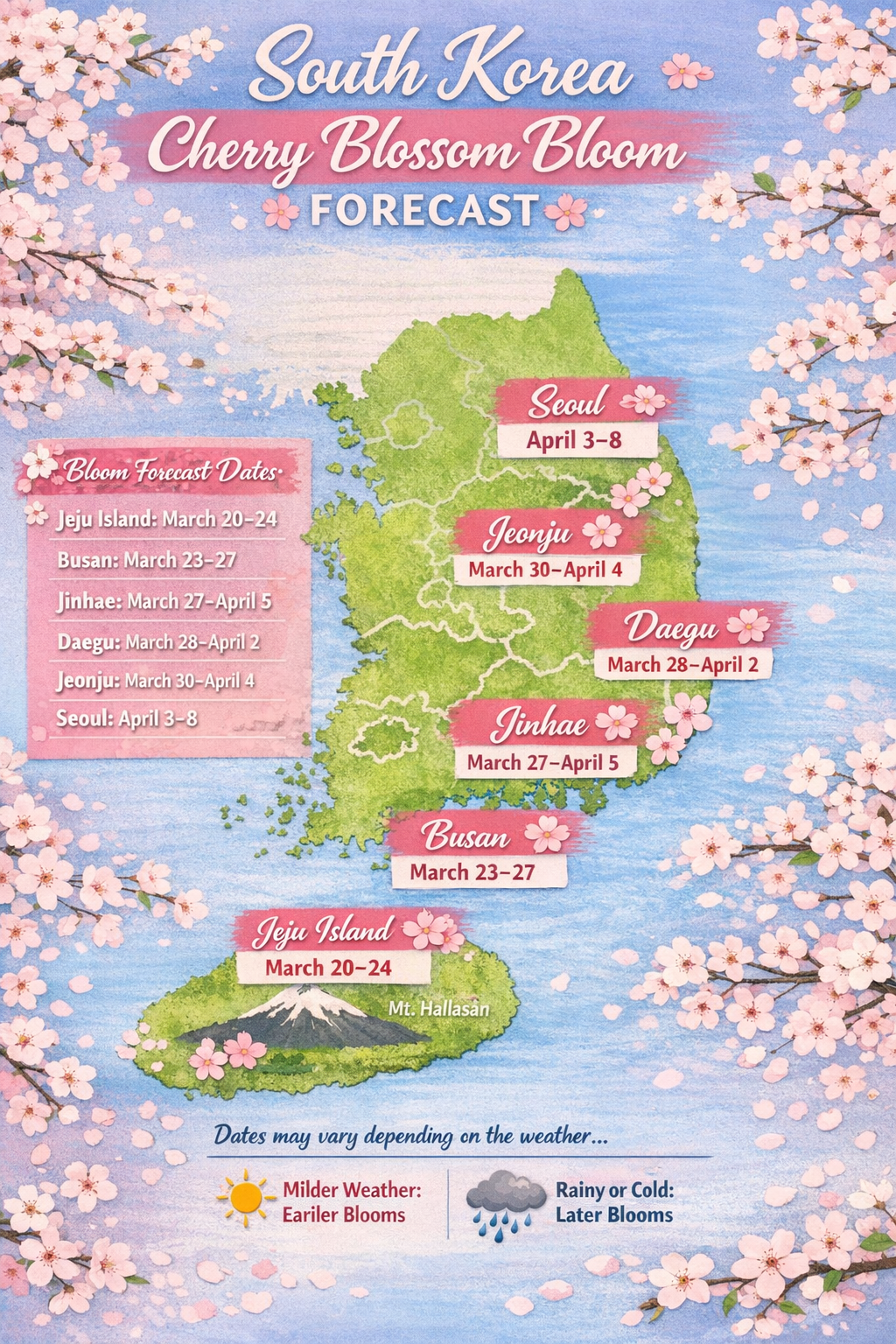
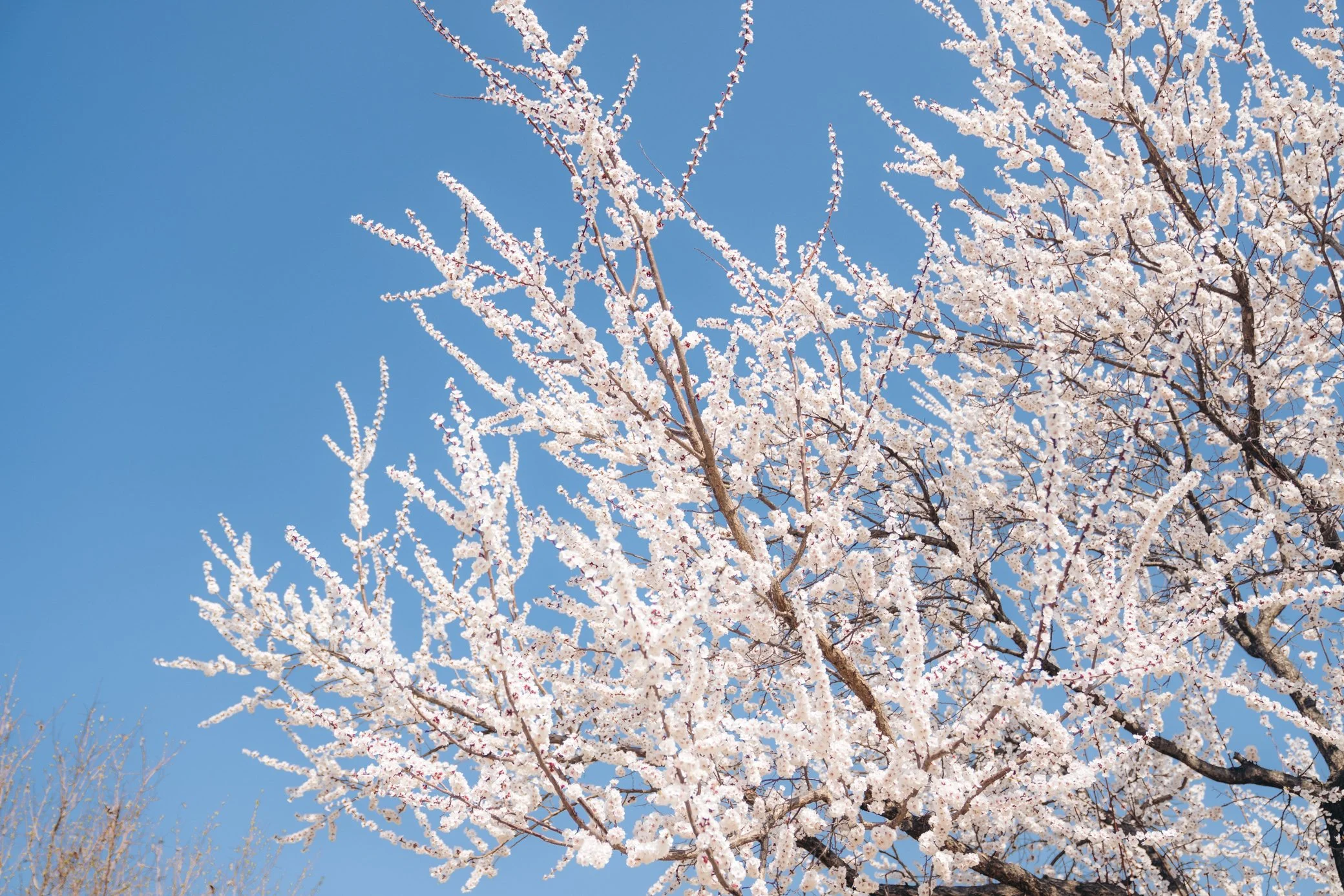
Trip Overview:
Day 1 & 2: Busan and Jinhae
Day 3: Daegu & Jeonju
Day 4: Cheonan/Asan
Day 5-7: Seoul
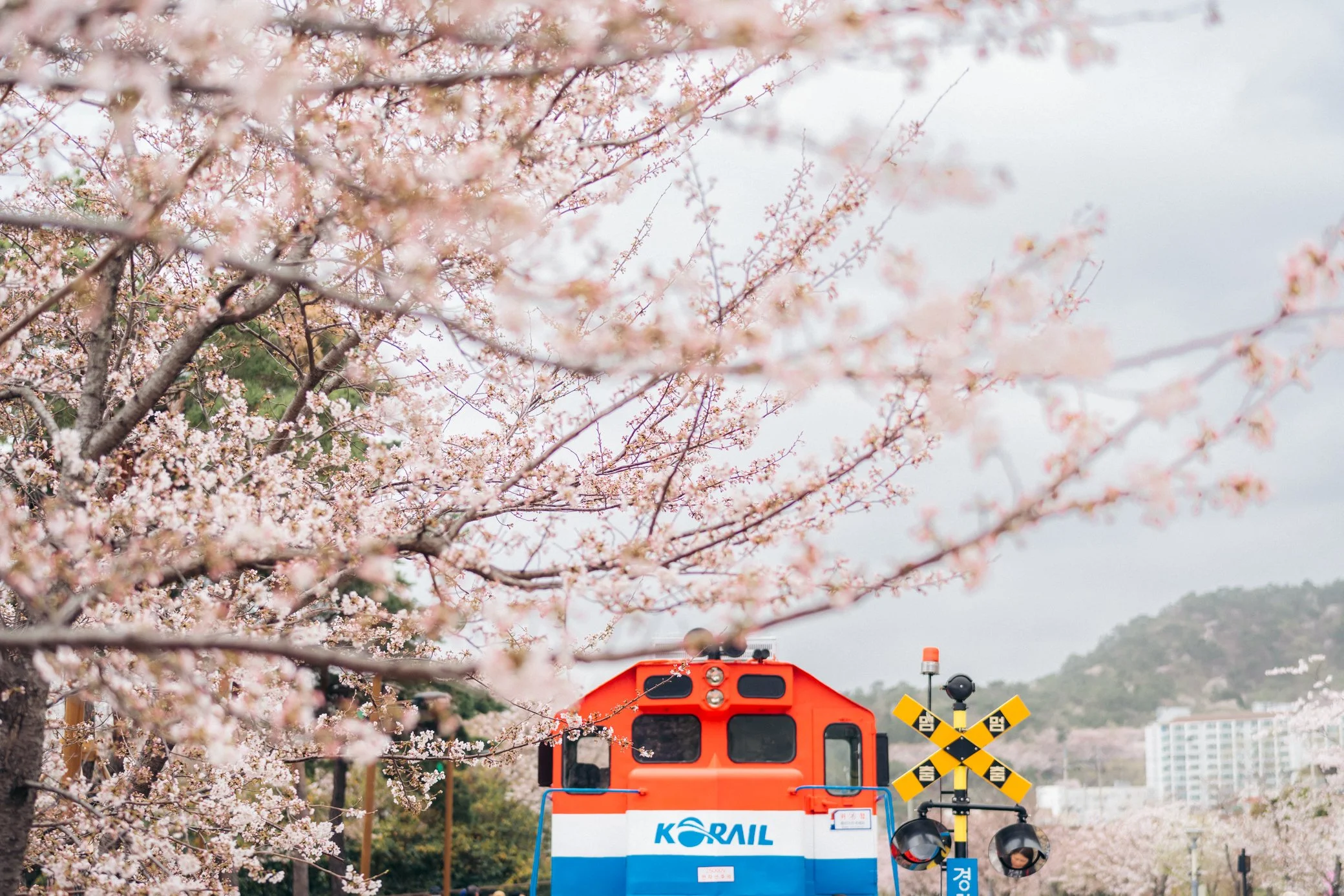
Jinhae Cherry Blossom Festival
Day 1-2: Busan & Jinhae
Where to stay: Fairfield by Marriott Busan (near Haeundae Beach, breakfast buffet included). For an upscale experience, book the Park Hyatt.
Though it may require an additional flight or train ride from Seoul, the trees typically start blooming in the South first, with Seoul usually showcasing the last of the blooms. Busan, the second-largest city in South Korea, is an energetic coastal hub, offering a myriad of activities. The most popular street for prime cherry blossom viewing is Namcheon-dong Cherry Blossom Street, but many local temples feature stunning alternatives.
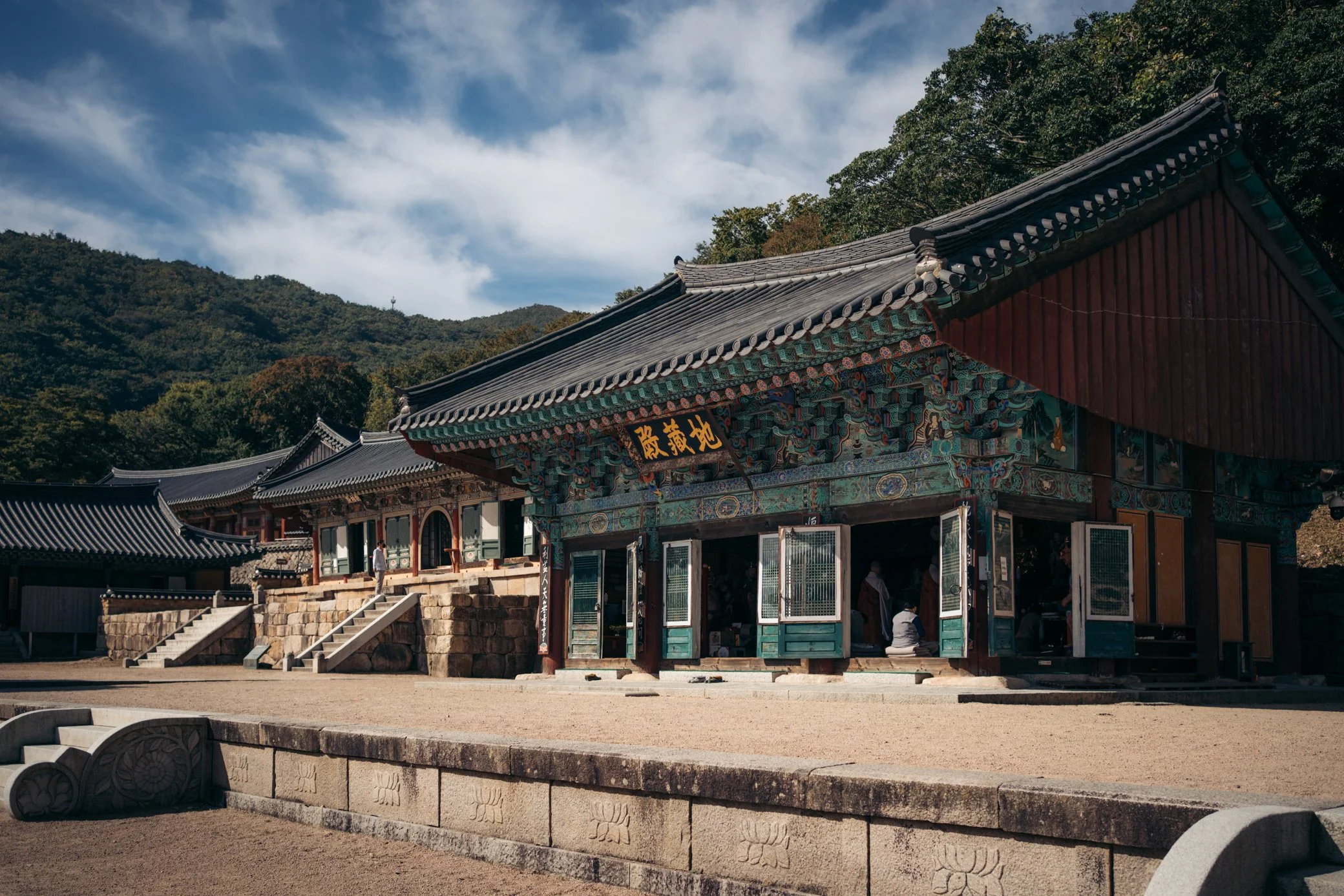
Beomeosa Temple
For early risers, start your day at the famous Haedong Yonggungsa Temple for sunrise. Next up: a visit to Beomeosa for a morning in nature, with blooms and meditation. After your visit, explore Gamcheon Cultural Village and finish the day with dinner and a stroll through Jalgachi Fish Market.
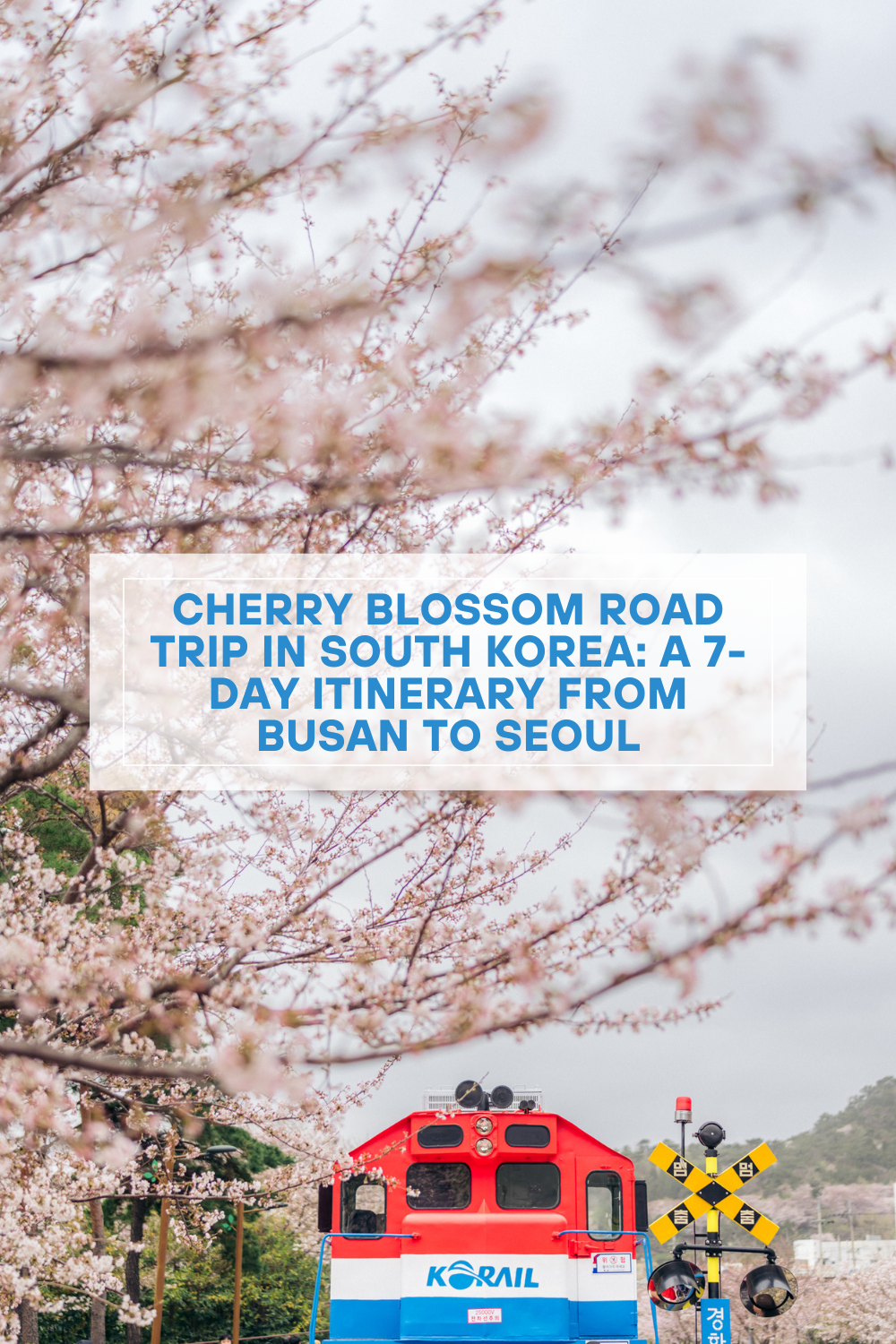
The next day, after breakfast, make your way to Changwon via the bus, Uber, rental car, or guided tour. Spend most of the day at the Jinhae Cherry Blossom (March 27- April 5, 2026). This might be the busiest area you encounter due to the festival's popularity. Enjoy food trucks, live music, and walking along the discontinued train tracks at Gyeonghwa Station. Everywhere you look in the city, the trees are blooming, so even the journey from Busan is scenic.
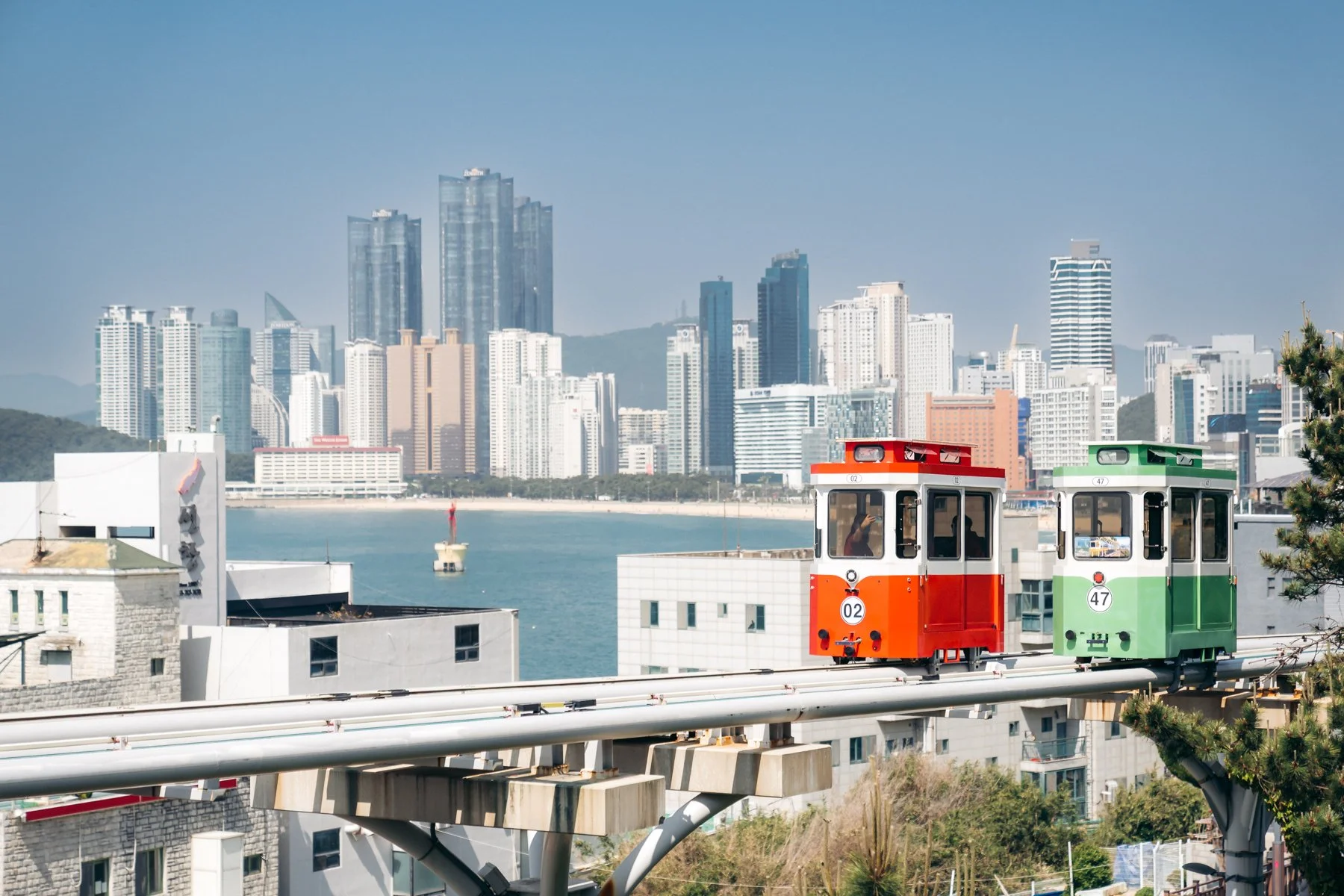
Busan Sky Capsule
Arrive back in Busan in the late afternoon, and enjoy a sunset ride in the Busan Sky Capsule (book ahead of time). For the best sunset views, start your journey from the Mipo Station of Haeundae Blueline Park. Another option is to stroll along Dalmajigil Road and enjoy more cherry blossoms. Finish your evening with a lovely dinner at Le Dorer (or a restaurant nearby on the Michelin Guide).
Day 3: Busan-Daegu-Jeonju
Where to stay: Traditional hanok in Jeonju
After breakfast at the hotel in Busan, hop in the car or on the train and head to Daegu. There are numerous locations around Daegu to spot blossoms, but plan to start at Donghwasa Temple (동화사) and Palgongsan Mountain, then finish in Daegu for lunch, and a walk around Suseong Lake.
After your lake stroll and any wandering around Daegu, your next destination is Jeonju. This village has over 700 hanoks, making it a unique place to stay overnight. A hanok is a traditional Korean home dating back to the Joseon Dynasty in the 14th century. I am also going to add a caveat: they are adorable, but sometimes aren't the most comfortable to stay in. However, it’s certainly something I would recommend doing at least once during your time in South Korea.
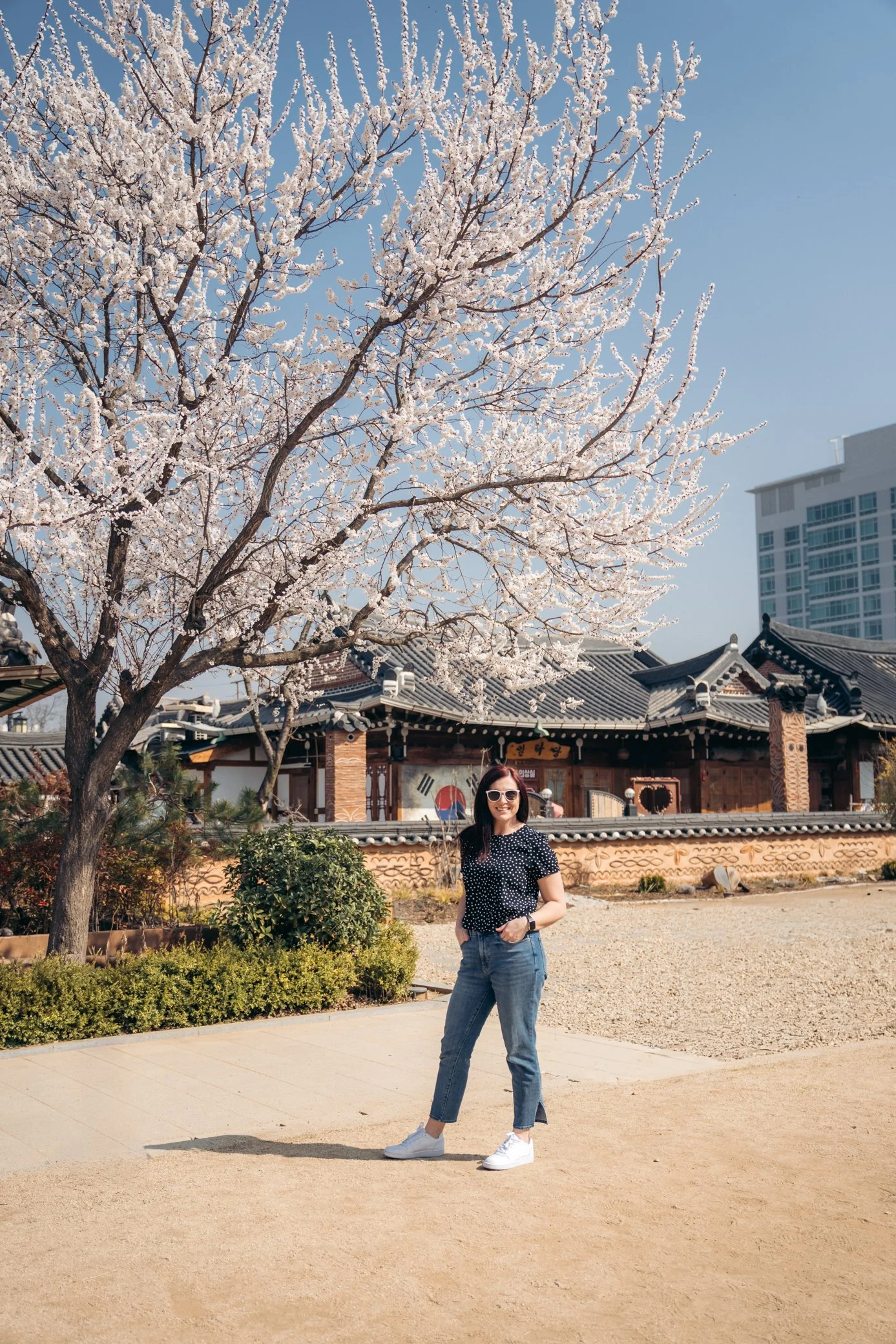
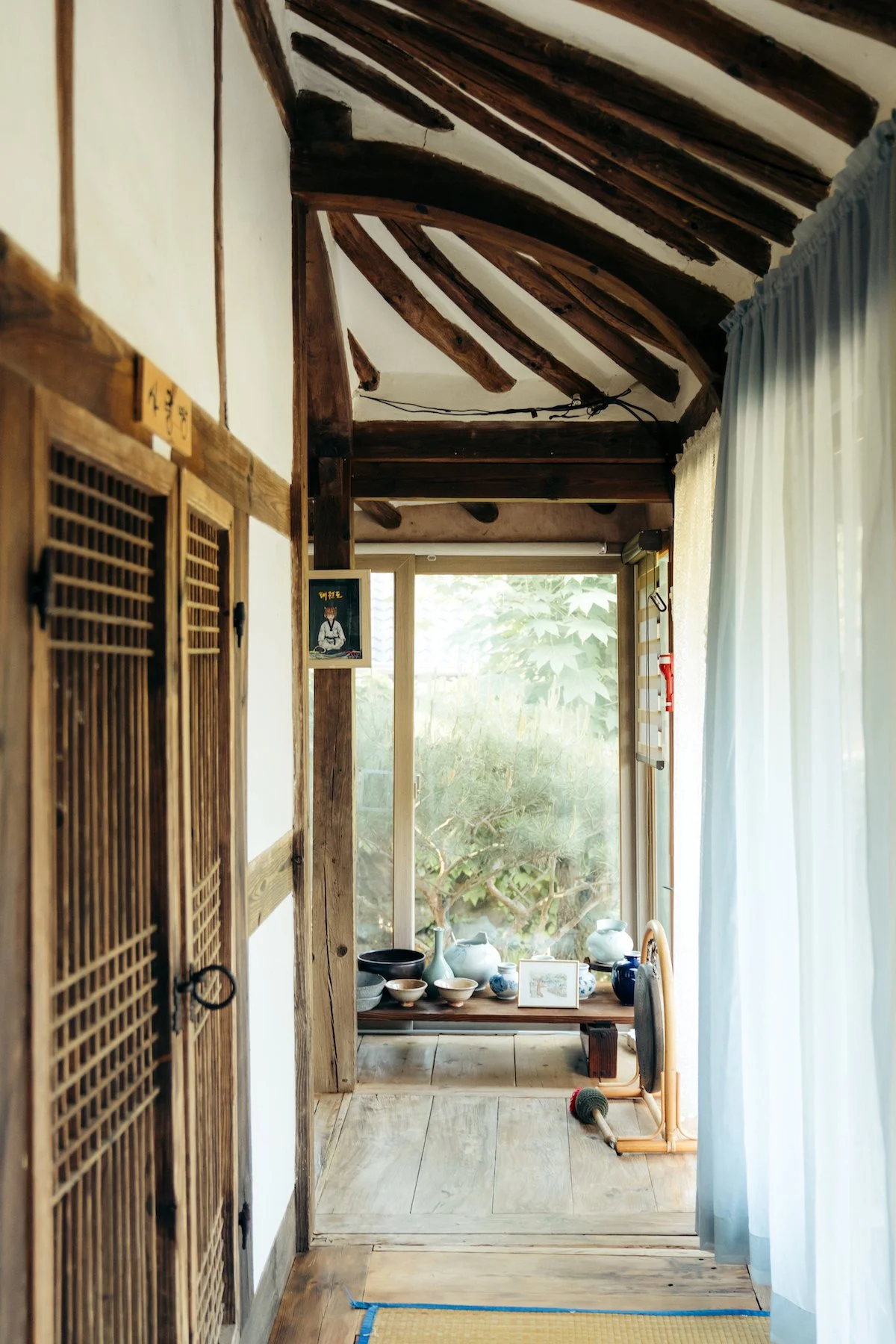
For dinner, enjoy the local favorite bimbibop at Gogung Suragan or Hankook Jib(한국집) and an evening stroll in town before turning in for the evening.
Day 4: Cheonan/Asan (1.5 hours travel time)
Where to Stay: Shilla Stay Cheonan
After sleeping in, visit the Gyeonggijeon Shrine, and then enjoy a coffee and a pastry at Café Tomorrow (though they do not open until 11:00). If you need something before then, Jeonmangdae Café nearby opens at 9:00. If time allows, take a stroll through Jaman Mural Village or walk to the Omokdae viewpoint to get a birds eye view of the hanoks.
For lunch, grab a few rice triangles at the local GS25 like a local, known as Samgak Kimbap (삼각김밥), which literally translates to “triangle-shaped gimbap”. Snacks and lunch secured, your next destination is Cheonan, specifically Gakwonsa Temple. Gakwonsa truly shines during cherry blossom season, and its extensive grounds and 49-foot bronze Buddha make it a must-see. After checking into your hotel or accommodation, head to Gakwonsa in time for golden hour before sunset.
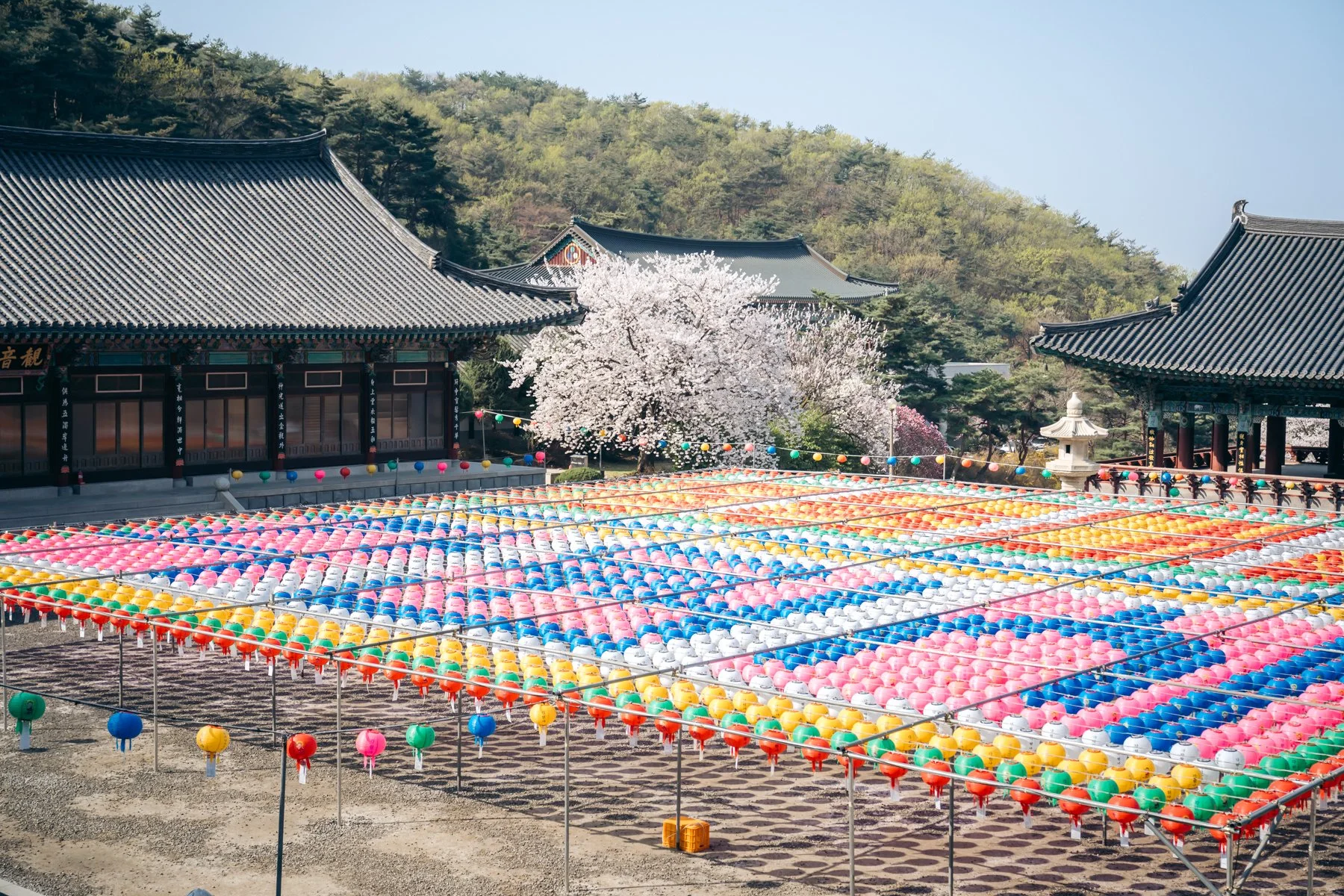
Gakwonsa Temple
Enjoy an hour or more exploring the grounds (lots of stairs involved). The main Buddha statue is located at the very top of the complex, but the trees surrounding the temple buildings below are spectacular, especially during peak bloom. Also happening this time of the year, the temple will be decorated in lanterns for Buddha’s birthday, so there is quite a lot to enjoy. There are several restaurants, including Korean BBQ, on the road at the bottom of the hill to grab dinner at before making your way back to your accommodations for the evening.
Day 5-7: Seoul
Where to Stay: Myeongdong area (book early), (Lotte Hotel Seoul)
Luxury Stay: Josun Palace Gangnam

Pinnacle Land in Asan
After breakfast, you will head out to Pinnacle Land in Asan. In addition to it being cherry blossom season, it’s also tulip season, and Pinnacle Land has some of the best displays of tulips I have seen (including in Amsterdam). This morning’s excursion is well worth the trip; plan to spend 1-2 hours among the 500,000 flowers, brimming with color. There is a café on site if you want to sit and grab a coffee or a small bite before heading to Seoul.
Arrive in Seoul in the early afternoon and check into your accommodation or drop off your luggage. Spend the afternoon exploring the neighborhood where you are staying, or venture out to Buckchon Hanok Village, 은평한옥마을 Eunpyeong Hanok Village (a bit quieter and off the beaten path), or Namsan Park.
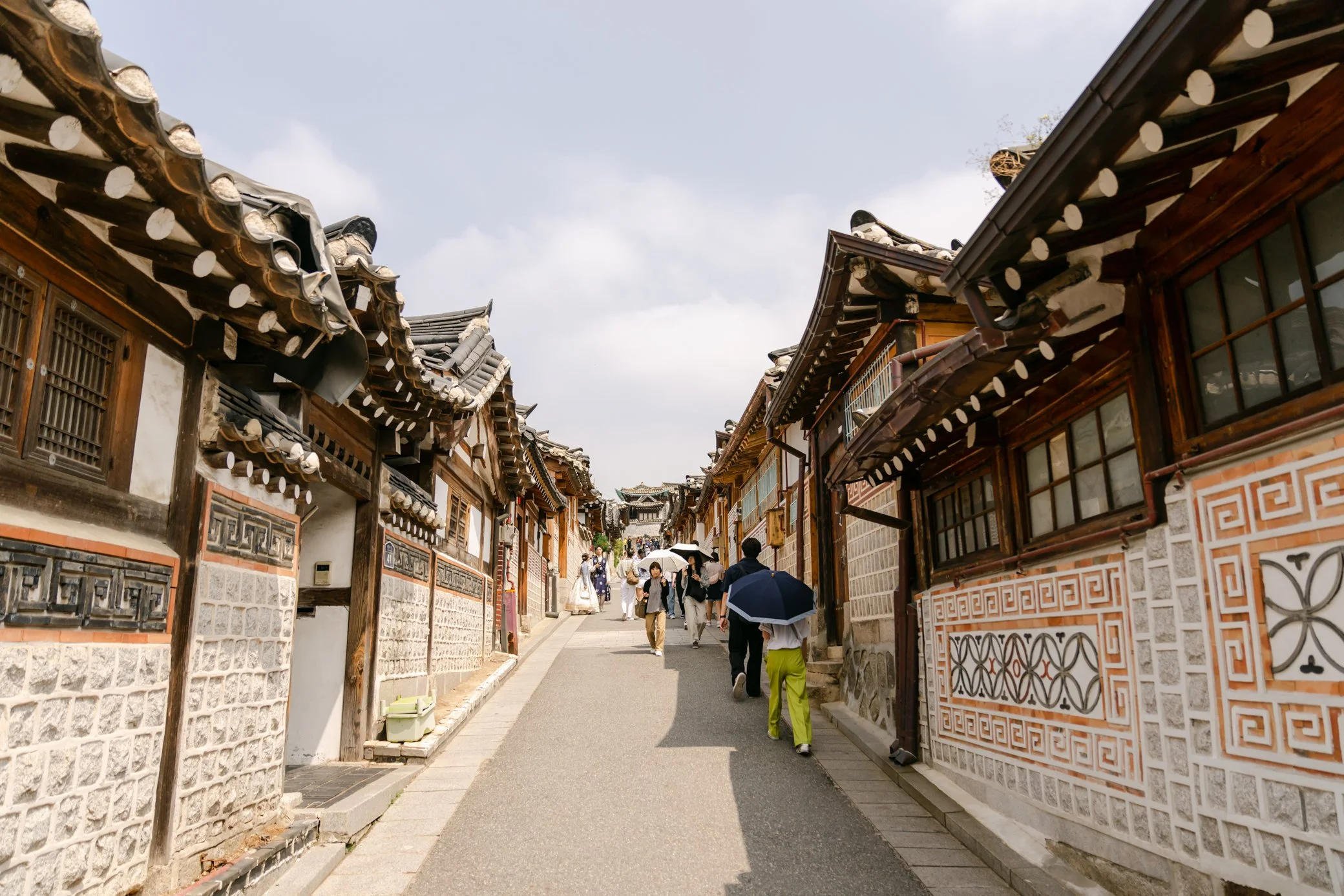
Buckchon Hanok Village
Spend your last two days in Seoul enjoying both the major sites and cherry blossom festivities. Pop into Yeouido Park for the Yeongdeungpo Yeouido Spring Flower Festival. Make sure you arrive first thing in the morning to avoid the major crowds. Other places to spot blossoms throughout Seoul:
Seokchon Lake
Kyunghee University
Gyeongbokgung Palace
Seoul Forest
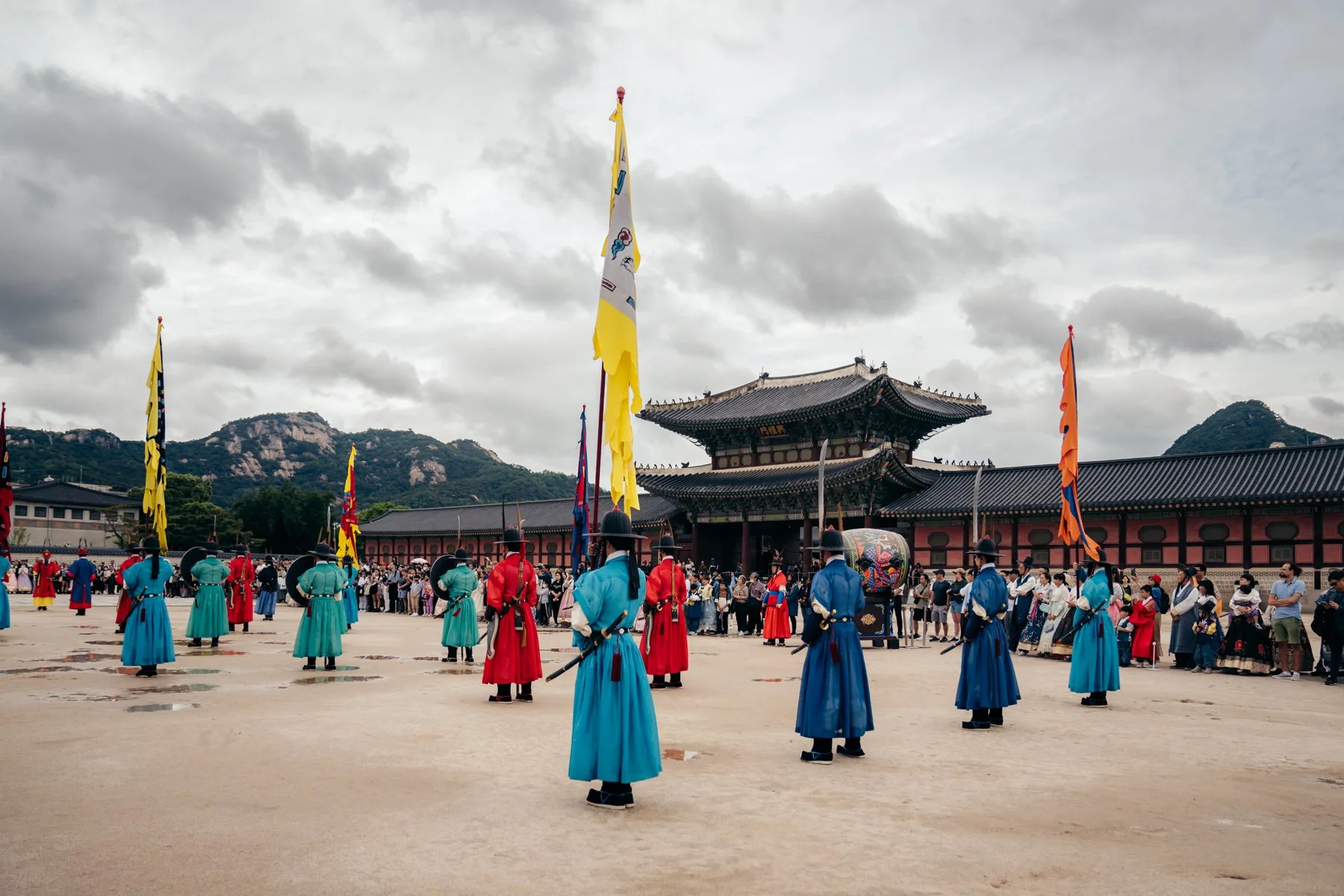
Gyeongbokgung Palace
Gyeongbokgung Palace is a must-visit for any first-time visitors to Seoul. You can rent hanboks (traditional Korean dress) nearby and wear them to the palace (free entry) for memorable photos. Plan to spend several hours exploring the extensive grounds.
Visiting the food markets like Gwangjang or Namdaemun is a must; if the weather doesn't cooperate, take a cooking class with Ellie at Food & Culture Korea. And, if you aren’t weary of temples, check out Sugaksa Temple, Seoul’s golden temple.
If you are seeking out a quieter area to relax, sip coffee, or grab a meal, explore the Yeonnam area, and visit Coffee Nap Roasters or Yes, Oats. The alleyways are quaint and much quieter than Seoul's main streets. If you want a glimpse into North Korea, book a tour of the DMZ (demilitarized zone).
Two days in Seoul will fly by, especially with the buzz of cherry blossom season. If you are over the hunt for pastel hues when you arrive in Seoul, skip the festival and enjoy a slower pace of exploring local food, flea markets (like Dongmun), and villages. Unique cafes can be found around every corner, and for skin-care lovers, Olive Young awaits (trust me, stock up on face masks).
Essential Tips for Visiting South Korea
Google Maps does not work in Korea. Instead, they use apps like Naver (considered the best), Kakao Maps, or Waze. Apple Maps occasionally works. On Naver, English text sometimes pulls up your destination, but usually, you need to copy/paste the Hangul from Google into the search to find it. Waze also works, but it was an ongoing joke while I lived there that you might end up in a rice field if you followed Waze (this happened to me twice). If that sounds like an adventure to you, go for it. It also alerts you to the speed cameras if you are driving.
Currency: Korean won
English is not widely spoken, not even in Seoul (other than at major hotels). If you hop into a taxi, have the destination pulled up in Hangul. Most cab drivers do not understand “train station,” so just be ready with the visual aid. Papago is the most widely used translation app in Korea.
Uber works throughout Korea, but you will have more luck with it in Seoul and Busan. Download Kakao Taxi to order local taxis (when you book, swipe to pay cash to the driver, you will still be able to use a T-money card, credit card, or cash for payment).
Get a T-money card if you are using public transport regularly. When you arrive in Korea, purchase a T-money card at the subway, 7-Eleven, GS25, etc., and use this for contactless payments for buses, taxis, and more. It also gives a slight discount on fares.
Towels at apartments or Airbnbs. A random note, they usually do not have full-size body towels for bathing, only what we would consider “hand towels” in the States. Hotels have standard towels.
The plug type is C & F; European plugs work, just watch the voltage depending on the use.
Talking on public transportation is a no-go, unless you want to be on the receiving end of a reprimand from an ajumma.
If you are renting a car, you will need an international driver’s license. Driving in South Korea is fairly straightforward; they drive on the same side of the road as the United States and much of Europe. If you are using Naver to navigate, it will highlight the color-coded lanes for turns and merging. Lotte or Hertz are recommended for rentals.
For booking train travel, use https://www.korail.com/global/eng/main
Find this post helpful?
Pin it for later!
*This post contains affiliate links. Should you make a purchase via one of them (at no extra cost to you), I may receive a small commission. Thank you for supporting my blog!
